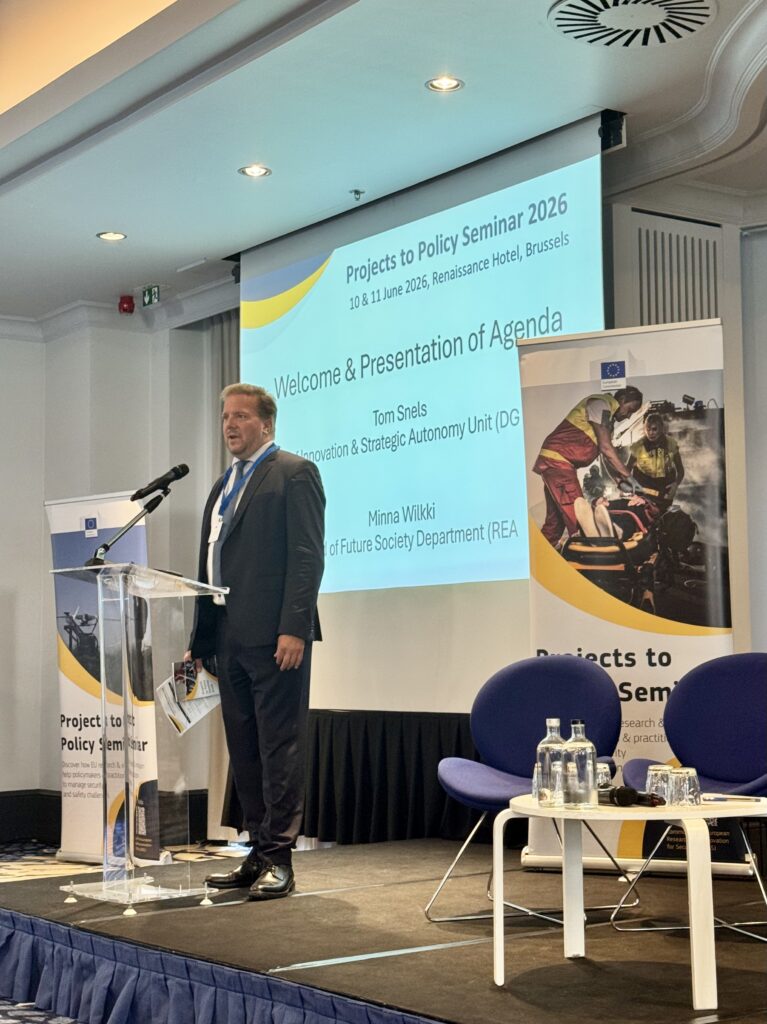
Artificial intelligence (AI) is reshaping classrooms, teaching methods, and national education systems. This was the core theme of a session moderated by Karolina Gyurovszka, policy Analyst at Martel during the EU–Indo-Pacific Symposium in Singapore. Education and technology leaders from Singapore, the EU, and Ukraine shared how their countries and institutions are integrating AI in education, supporting teachers, and addressing ethical and regulatory challenges. Their insights revealed common priorities and promising opportunities for global collaboration.
Singapore: professional development and pedagogical Innovation
Edmund Lim of the Singapore Education Network (SEN) presented findings from the OECD TALIS 2024 Survey on AI in education. Singapore stands out as a global leader in teacher professional development, strongly supported by the Ministry of Education.
Key national initiatives include:
- EdTech Master Plan 2030 – a long-term vision for innovation in learning
- Student Learning Space (SLS) – a national digital ecosystem developed by SEN
- Collaboration with Germany’s FOBIZZ to strengthen global EdTech cooperation
A notable innovation, Akami, serves as a personal AI tutor offering 24/7 learning support. Lim highlighted the “5Cs of AI use”—collaboration, correctness, critical thinking, creative thinking, and other core competencies essential for responsible adoption of AI in education.
His message was clear: AI in education must keep people, platforms, and professional development at the center.
Europe: AI skills, strategy, and regulation
Representing DIGITAL SME, Caterina Bortolaso outlined several EU initiatives aimed at strengthening digital and AI capabilities. These include the Digital LSP and the ARISA project.
Key points she raised:
- The publication of the AI Sector Skills Analysis
- A comprehensive EU AI Skills Strategy under development
- Challenges around duplication of projects across Europe
- Barriers caused by strict EU regulations and limited accessibility for non-EU partners
While Europe is investing heavily in skills and strategy, Bortolaso stressed the need for improved coordination to maximise impact.
Ukraine: aligning research, regulation, and real-world application
Professor Natalya Shakhovska from Lviv Polytechnic National University described Ukraine’s national efforts to regulate and guide responsible use of AI in education. Her research focuses on dual-use technologies and deepfake detection, conducted with active student involvement.
At the university’s Tech Startup School, students work on practical AI projects that bridge the gap between theoretical knowledge and real-world needs. Shakhovska emphasised the importance of transparency and responsible data management, warning that training data can be easily manipulated if not properly controlled.
A pedagogical lens from Singapore: putting learning before technology
Professor Ben Leong of the National University of Singapore (NUS) offered a complementary view focused on pedagogy. As Head of the AI Centre for Education Technologies (AICET), he leads development of Scholastic, an AI learning platform designed to encourage curiosity and independent thinking.
Leong stressed that successful AI in education is primarily a human and pedagogical challenge, not a technological one.
His principle is simple: “Pedagogy must drive technology, not the other way around.”
Key issues he highlighted include:
- High GDPR compliance costs
- Rapid evolution of AI models
- Risks that the bottom 10% of students may fall behind due to overreliance on AI
To mitigate this, NUS provides access to premium AI systems and monitors usage patterns to understand student behaviour.
Shared challenges in using AI in education
During the panel discussion, experts across regions identified several shared concerns:
- Persistent digital divide limiting equitable access to AI tools
- Early-stage evaluation frameworks for AI-assisted learning
- Risks of academic dishonesty
- The need for stronger teamwork and international collaboration
Lim suggested that large language models should stimulate critical thinking, not provide direct answers—a principle already embedded in the Scholastic platform.
Speakers also addressed the rise of open-source AI alternatives such as DeepSeek, Mistral (EU), and LAPA (Ukraine). These offer more transparent and GDPR-friendly solutions for integrating AI in education.
Across all discussions, one idea stood out: the impact of AI in education depends entirely on how people choose to use it.
Teaching the right things, the right way for AI in education
The session concluded with a shared belief that AI in education should enhance human intelligence, not replace it.
Ben Leong summarised this shift:
“In Asia, we have always taught students to do things right; now we must teach them to do the right thing.”
Edmund Lim echoed the need to teach students to critically evaluate information in an era shaped by AI tools and automated content.
The future of AI in education will depend not only on technological progress but also on human values, ethical frameworks, and thoughtful pedagogy.
Martel’s role in advancing digital and AI in education
This session highlights Martel’s strong commitment to building digital and AI skills. Our work in the LEADS project, the ongoing INPACE initiative, and current contributions to the SkillAIbility project demonstrate our dedication to:
- Strengthening digital and AI capabilities across Europe
- Ensuring inclusivity and sustainability in digital transformation
- Supporting women’s participation in the digital ecosystem
- Empowering communities to benefit from AI-driven innovation
Martel will continue championing responsible, human-centred use of AI in education and beyond.