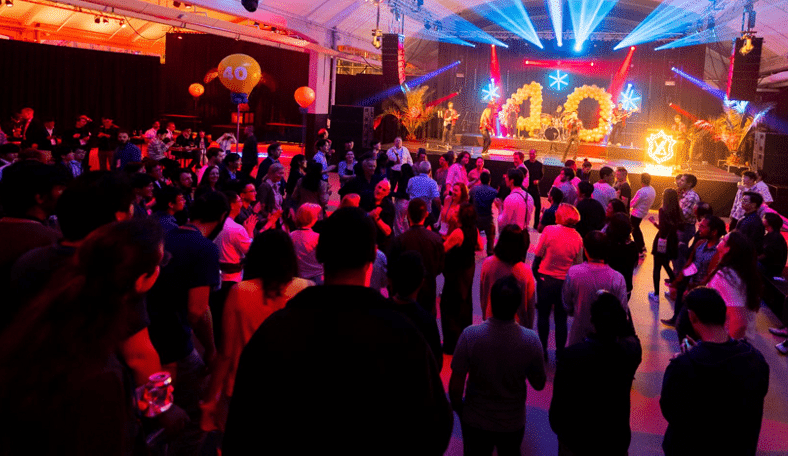
 The 40th anniversary of the IEEE International Conference on Robotics and Automation (ICRA@40) was a landmark event that brought together pioneers, researchers, industry leaders, and enthusiasts from around the globe—Martel Innovate represented by its senior researcher Dr. Amjad Majid was actively participating in this historic event. Held from September 23 to 26, 2024, in the dynamic city of Rotterdam, Netherlands, the conference celebrated four decades of groundbreaking advancements in robotics and automation. This gathering was not just a conference but a tribute to the journey, achievements, and future of a field that has profoundly shaped our world. Over four days, participants immersed themselves in a rich program that reflected on the past, examined the present, and envisioned the future of robotics and automation. On the third day, the Happy Birthday ICAR Celebration occurred at the historic Holland America Line Cruise Terminal and the mediaeval Sint-Laurenskerk, adding cultural depth to the technological discussions.
ICRA@40 featured an impressive lineup of pioneers and key figures who have significantly shaped the field over the past four decades. Each day was packed with keynote sessions where esteemed speakers delved into critical areas of robotics and automation. The keynotes kicked off with Yasuo Kuniyoshi discussing new approaches to human-aligned intelligence. Atsuo Takanishi provided insights into the early developments of bipedal walking robots in Japan from the 1960s to the 1980s. Sangbae Kim addressed the importance of physicality in intelligent systems, emphasising “Physical Intelligence and Cognitive Biases Toward AI”. Ruzena Bajcsy offered a retrospective on robotics at the University of Pennsylvania, reviewing 30 years of research. Matthew Mason shared lessons from warehouse robotics, highlighting applications from warehouses to kitchens. Peter Corke discussed the enduring impact of the Robotics Toolbox over 30 years. Other speakers included Manuela Veloso, who spoke about the seamless integration of humans and mobile task robots; Daniela Rus, sharing visionary perspectives on physical intelligence; Jens Kober, discussed robot learning through interactions; Cynthia Breazeal, exploring social robots and the future relationship between humans and personal robots; and many others. These thought leaders, among many others, provided attendees with deep insights into the current state of robotics and glimpses into future possibilities.
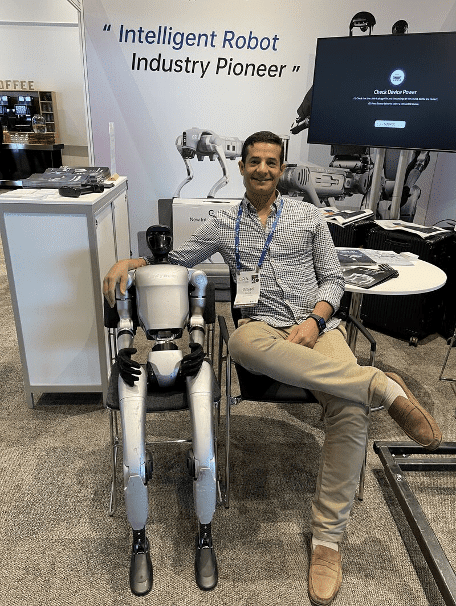
A hallmark of ICRA@40 was the series of panels, debates and industrial sessions that engaged both roboticists and the general public. These sessions tackled pressing issues shaping the discourse around robotics today, including responsible research and ethics, sustainability, intelligence and generative AI, and the achievements of 40 years of robotics. The conference was not just about listening—it was about experiencing the latest in robotics technology firsthand. Interactive sessions provided opportunities to discuss work in depth with members of the robotics community. Presenters showcased their research using digital screens, facilitating engaging discussions and collaborations. Attendees witnessed robots in action: humanoids demonstrating advanced locomotion and navigation, and collaborative robots showcasing safe and efficient human-robot cooperation in industrial settings. Industrial sessions provided a platform for startups, research institutions, and industry leaders to showcase their innovations. Industrial sessions featured emerging companies and research groups presenting their solutions to potential investors and collaborators. Organisations like PAL Robotics, Asimovo, and euRobotics highlighted their latest advancements. Finally, understanding the importance of community and collaboration, ICRA@40 offered numerous opportunities for attendees to connect. The Welcome Reception at the Rotterdam Ahoy set a friendly and collegial tone for the conference. A highlight of the event was the “Happy Birthday ICRA” celebration at the historic Holland America Line Cruise Terminal. The Farewell Reception allowed attendees to reflect on conference highlights, strengthen professional relationships, and discuss future collaborations. Martel Innovate engaged with ICRA@40 attendees, exchanging knowledge and discussing collaboration opportunities. The discussions centred on multi-robotic systems, generative AI, robot learning, sustainability, and the development of the field within Europe, including current challenges.
In conjunction with the main event, ICRA@40 Africa took place from September 24 to 26, 2024, at the University of the Witwatersrand in Johannesburg, South Africa. This satellite conference was a significant step in expanding the global robotics community and highlighting the contributions of African researchers. ICRA@40 Africa aimed to connect African roboticists, showcase African contributions, and catalyse future efforts. The event featured keynote presentations from established African researchers, student talks, demonstration sessions, and live link-ups to the main ICRA@40 event. Networking events, infused with African culture and hospitality, provided a platform for building relationships and fostering collaboration.
To summarise, ICRA@40 was both a celebration of technological advancements and a historic reflection on the journey of robotics and automation. Honouring the field’s legacy while charting a course for future progress, the conference provided historical perspectives with speakers like Ruzena Bajcsy discussing the evolution of robotics research and its societal impact. Future outlooks were central, emphasising the next era of robotics through discussions on artificial intelligence integration, ethical considerations, and sustainable practices. The conference highlighted the importance of global collaboration, diversity, and inclusion in driving the field forward. By bringing together leaders, facilitating important discussions, and showcasing groundbreaking technologies, ICRA@40 inspired the next generation of roboticists. As the community looks ahead to the next 40 years, the spirit of collaboration, innovation, and responsibility fostered at ICRA@40 will undoubtedly drive the field to new heights. For those who attended, it was more than a conference—it was a reaffirmation of shared passion and a commitment to shaping a future where robotics and automation positively transform the world.